
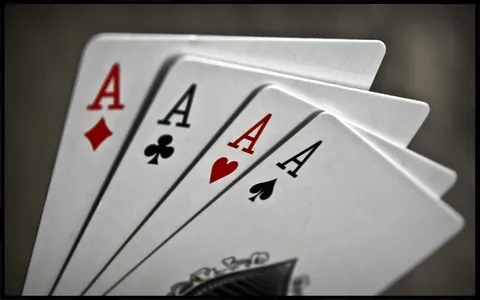
You hold A♥ K♥ Q♥ J♥ 9♣ in Jacks or Better. Your heart beats fast. A straight is one card away. Most players keep the whole run and draw. But the best move is to hold A♥ K♥ Q♥ J♥ and throw the 9♣. Four to a royal is not a wish. It is a plan. It is the bigger long‑term win. This is what “optimal play” feels like: small, clear moves that raise your expected value on every hand.
Video poker is not slots. You choose cards. The math of each choice matters. If you learn the rules of play for your game and match them to the exact paytable, you can lift your return and cut your losses. If you want a quick look at the roots of the game and how it grew in casinos, see this overview of the history of video poker from UNLV Center for Gaming Research.
What “optimal” really means (and why it changes by game)
Optimal play is the set of choices that gives the most expected value (EV) for each hand, for a given variant and paytable. It is not a guess. It is math. Change the paytable, and some choices flip. A rule that is right on 9/6 Jacks or Better can be wrong on 8/5 Bonus Poker. The same hand can have a new best move if the full house, flush, or four‑of‑a‑kind pays change.
This is why a one‑page “universal strategy” does harm. You need rules that match your machine. Learn the variant. Read the paytable. Then use a simple set of hold/draw rules for that exact game. With time, you will spot the test hands at a glance and make the right call fast.
A quick table that lets you compare the big games
If you want to see the math behind these returns, the breakdowns and EV work are well shown in video poker math and expected value tables at Wizard of Odds. The table below sums up the most played variants, their best known “full‑pay” forms, and what to expect in real rooms and apps.
| Jacks or Better | 9/6 (Full House 9, Flush 6) | 99.54% | Often 8/5 or lower | Low–Medium | Low | 4 to a royal beats a made straight; low pair often beats single high cards |
| Bonus Poker | 8/5 | ~99.17% | Can drop to 7/5 | Medium | Low–Medium | Aces get extra weight; pairs vs high cards shift a bit vs JoB |
| Double Bonus | 10/7 | ~100.17% | Rare in the wild | High | Medium–High | Aces and kicker value change plays; bigger swings |
| Double Double Bonus | 10/6 | ~100.06% | Often cut to 9/6 or worse | Very High | High | Kicker rules matter (e.g., Aces with 2/3/4); huge variance |
| Deuces Wild (Full‑Pay) | FPDW (classic full‑pay) | 100.76% | Hard to find; often replaced | Medium–High | High | 2s are wild; many thin spots on straights/flushes/4OAK |
| Deuces Wild (NSUD) | NSUD | 99.73% | More common than FPDW | Medium–High | High | “Not So Ugly Deuces”; still tough but fair for practice |
| Joker Poker (Kings or Better) | Full‑pay K or Better | ~100.65% | Rare; many low‑pay clones | High | High | Joker is wild; hand ranks and draws feel quite different |
| All American | ~35/8/8 style (high straight/flush pays) | ~100.72% | Uncommon; often nerfed | High | High | Big pays for straights/flushes; lower 2 Pair/Full House; rules shift |
Notes: RTP assumes perfect play and the best known full‑pay versions. Many rooms and apps use reduced paytables with lower returns. Check your local options; online paytables are often trimmed.
Fast rules that save money (by variant)
Full strategy charts are long. Here are short, high‑impact rules that cover a lot of hands. Use them as your base. Then learn finer points like “penalty cards.” A penalty card is a card that lowers the value of a draw because it blocks outs. For example, an off‑suit 9 may “penalize” a straight draw in some spots. These shifts are small, but they add up.
Jacks or Better (9/6 base)
- Keep 4 to a royal over any made straight or flush.
- Low pair beats two high cards. Two high cards beat one high card.
- Open‑ended straight draw (no gaps) beats single high card.
- Three to a royal beats a low pair only when suited and high (e.g., Q‑J‑T suited).
- Four to a flush beats a low pair, but not if the flush is weak in some 8/5 tables.
- Do not break a made flush or straight to chase four to a straight flush unless strong (e.g., high, no gaps).
- With A‑K‑Q‑J unsuited, keep two highest if not connected; keep A‑K if suited.
- Keep suited T‑J‑Q over single high cards.
- A lone high card beats three to a straight with two gaps and no high cards.
- Never hold a kicker with a pair; kickers do not pay in JoB.
Bonus Poker
- All JoB rules still help, but Aces have more value. Lean into Aces.
- Low pair vs two high cards is closer; the low pair still wins most of the time.
- Do not chase kickers; there is no extra pay for them here.
Double Bonus / Double Double Bonus
- Four to a flush vs low pair: the flush draw gains value due to big 4OAK pays.
- Keep A‑A over most three‑card straight flush draws; Aces are king here.
- In Double Double Bonus, kickers matter on 4 Aces (e.g., A‑A‑A‑A with 2/3/4). Do not toss a small card if it can serve as a kicker with Aces.
- Three Aces beats most three to a royal draws; do not break trips.
- Expect bigger swings. Bankroll and pace matter more.
Deuces Wild (FPDW / NSUD)
- Never discard a deuce. It is wild. Period.
- With one deuce: push for straight flushes and high straights more than in JoB.
- With two deuces: keep them and draw three unless you have a made four of a kind or better.
- Three deuces: draw two only if a five‑of‑a‑kind or straight flush is live; else hold.
- Made straights and flushes are weaker than in JoB; wild draws can beat them.
Joker Poker (Kings or Better) and All American
- Joker Poker: treat the Joker as the best helper. Pairs need Kings or better to pay; shift your holds up.
- All American: straights and flushes pay more, but two pair and full houses are weaker. Draws gain weight; two pair is not as strong.
Paytables run the show (how to pick a machine)
A paytable is the list of pays for each hand. The short code “9/6” in Jacks or Better means the full house pays 9 and the flush pays 6 per 1‑coin bet. A “full‑pay” table is the best known set for that game. Anything less cuts your RTP. To see what is fair near you, check crowd‑sourced lists like full‑pay listings and paytable database at VPFree2.
When you play online, look for clear RTP notes and open paytables. If the site lists only a vague “up to 99%,” be careful. To understand what “RTP” means in plain terms, see the UK regulator’s guide: what RTP means by the UK Gambling Commission.
Trust also comes from tech standards. Some jurisdictions publish rules for slot and video poker software. Nevada, for example, has public docs on random number rules and device checks; see the slot/video poker technical standards at the Nevada Gaming Control Board.
Variance, bankroll, and real swings
RTP tells you the long run. Variance tells you the ride. Low variance games (like 9/6 JoB) have smoother graphs. High variance games (like Double Double Bonus) have big dips and spikes. A royal flush comes about once every 40,000–45,000 hands on most 52‑card variants. You may go longer. You may hit two close together. Plan for both.
How much bankroll? It depends on your risk and session length. Here are plain ranges many pros and trainers suggest. For short casual play, aim at least 200–400 bets in low‑variance games, 400–800 in mid‑to‑high. For long sessions or a trip, 500–800 bets for JoB or Bonus Poker, 800–1,500 for Double Bonus or DDB, and 800–1,200 for Deuces Wild (NSUD). If you want a lower risk of ruin, add more. For deeper reading on math and risk, see Bob Dancer’s variance and bankroll essays.
Set a stop loss and a time cap. Pick a coin size that lets you play at least 60–90 minutes with your stack. Take breaks. High variance games feel great when they pop, but they can drain you fast when they do not. Match the game to your mood and your budget.
Field note: a 1,000‑hand diary
Last month I ran one test session on $0.25 Double Double Bonus, five coins in. I logged 1,000 hands. I hit no royal. I hit one four‑of‑a‑kind (Jacks). I had seven full houses and thirteen flushes. My stack went up early, then slid. The drop felt fast. Twice I drew A‑A‑A with a small card and my heart leaped for the kicker. No luck. I ended down four buy‑ins. The lesson was clear: the big hands drive this game. You must sit with enough units to wait for them, or pick a lower stake. The same week I played 9/6 JoB for 1,000 hands. Fewer thrills, but I hovered near even most of the time. That calm pace is a feature, not a bug, if you want long play for your money.
Practice first, then pick a safe place to play
Use a trainer to build muscle memory and cut errors. You can run drills for the main variants, see the right holds, and fix leaks. A good place to start is strategy trainers for major variants at VideoPoker.com.
When you move to real money, check law and license in your area first. Look for clear paytables, named software, and fair RTP notes. If you need a simple, step‑by‑step way to sign in and reach the casino section to check paytables and rules, this 1xBet login guide can help. Always confirm that your play is legal where you live. Compare sites that show full paytables and game providers. Avoid lobbies that hide info or use vague “up to” claims.
Micro‑mistakes to avoid (big impact over time)
- Do not use a JoB chart on Deuces Wild. Wilds change almost all ties.
- Do not break two pair in JoB. Draw one for the full house.
- Do not keep three to a straight with gaps over a single high card. The high card is better in most tables.
- Do not hold a kicker in JoB or Bonus Poker. It has no extra pay.
- Do not chase inside straights unless the math says so (rare).
- Do not ignore paytable cuts. An 8/5 JoB looks close to 9/6, but the drop is real.
FAQ
What is “full‑pay”?
It is the best known paytable for a given variant. Example: 9/6 Jacks or Better. Full‑pay gives the highest RTP (with perfect play). Many places cut pays below that level.
Can you beat video poker?
With full‑pay games, big skill, and comps, some players can get a small edge. But these games are rare now. In most rooms and apps, the return is below 100%. Play for fun with limits, not for income.
Which game should a new player start with?
9/6 Jacks or Better is best for new players. Simple rules, low variance, clear paytable. Learn it well. Then try Bonus Poker or NSUD Deuces Wild if you want more action.
What is variance?
Variance is how rough the ride is. High variance games have long dry spells and big peaks. Low variance games give more small wins and fewer big ones.
How often does a royal flush hit?
On most 52‑card variants, about once every 40,000–45,000 hands on average. It is random. You can go much longer or hit two close together.
Do paytables online match the ones in casinos?
Often no. Online paytables are often trimmed. Always check the paytable shown in the game rules before you play. If RTP is not clear, be careful.
Closing notes
Video poker rewards steady choices. Read the paytable, follow the right rules for your variant, and pace your bankroll. Keep your play legal. Set time and money limits. If you need help with gambling risks, see the responsible gambling resources from NCPG.
Informational only. Gambling involves risk and real money loss. Check local laws and age limits (18+/21+). RTP figures above assume perfect play and ideal, often rare, full‑pay tables. Data and links checked at time of writing; availability can change.