
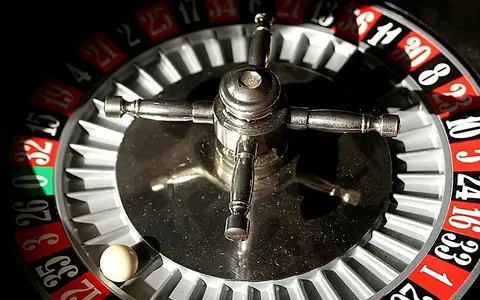
The wheel slows. The room hums. Your heart jumps as the ball dances on the edge of your number. It slips past at the last beat, and you feel heat in your face. You think, “One more.” This small pull is the core of the game. It is risk and reward. It is also your plan to stop when you said you would.
This piece looks at why gambling feels so strong, how the mind bends odds, and what tools keep play in bounds. You will see simple steps, clear terms, and help links. If play stops being fun, there are safe next steps at the end.
What the brain is really chasing
Gambling runs on surprise. Wins do not come on a set time. This kind of random reward is called a variable-ratio schedule. It trains fast and sticks deep. Each spin is like a coin toss with a hidden prize. Your brain learns to try again, because a win “could be next.”
Care teams who study this do not sell bets. They watch people and data. For a solid, public view, see Harvard’s Division on Addiction. Their work shows how risk, mood, and habit can mix and build.
Inside the head, a few parts light up with chance. One key loop is known as the brain’s reward circuit. It uses dopamine to flag “this matters.” When odds shift or a win lands, the ventral striatum may fire. Your prefrontal cortex, which helps with plans and rules, tries to keep a line. In hot moments, that line can slip.
There is also the “near-miss.” You almost hit the jackpot, so it feels like you made progress. In truth, the wheel had no memory. But the brain treats the near-miss like a clue to “keep going.” See the science on the neural basis of the near‑miss effect. A quick self-test: next time you almost win, pause for five minutes. Notice how strong the urge is right after that moment.
Table: Cognitive biases that tilt the table
These common thinking traps can push you to bet more, stay longer, or raise stakes. Know them. Name them. Nudge yourself back to your plan.
| Near-miss effect | “I almost hit it. One more.” | Brain reads “almost” as progress | Add a 5-minute break after any near-miss |
| Gambler’s fallacy | “Five reds. Black is due.” | Ignores that spins are independent | Write a rule: no bet based on streaks |
| Illusion of control | “My system makes slots pay.” | Overrates skill in pure chance games | Pick stake before play; no raise from “hunch” |
| Hot-hand belief | “I’m on fire. Go big.” | Sees random clusters as talent | Hold stake flat; wins do not change odds |
| Loss chasing | “I’ll win it back today.” | Loss pain drives risky bets | Hard stop after a set loss; walk away |
| Sunk cost effect | “I’ve put too much in to quit.” | Past spend clouds the next choice | Ask: “If fresh, would I start now?” If no, stop |
| Availability bias | “I saw a big win on stream.” | Bright wins hide long-term odds | Check game RTP before play; keep it small |
| Optimism bias | “Bad runs won’t hit me.” | Thinks risk applies to others | Plan for bad runs; set loss and time caps |
60‑second self‑check (not medical advice)
Read these lines. Answer yes or no. Be honest with yourself.
- Do you bet more after a loss to get even?
- Do you hide how much you play or spend?
- Do you feel restless or low when you try to stop?
- Do you miss work, sleep, or plans because of play?
- Do you use money you need for bills or debt?
This is not a diagnosis. If you said yes to more than one, pause and seek support. See these problem gambling screening tools for next steps.
Risk and reward are not 50/50: how the mind bends odds
Most people do not weigh risk in a pure math way. We tend to hate losses more than we like equal wins. A $50 loss can sting more than a $50 win can please. We also give too much weight to tiny odds, like huge jackpots. This mix can push us to take long shots and then chase pain when they miss.
These ideas fit a model in psychology called prospect theory. It says we fear loss, we anchor on a “reference point,” and we overrate small chances. Games lean on this. Flashing top prizes, live odds that change fast, and small “near-win” hits all feed into these bent views. When you know this pattern, you can name it and slow down.
If you want a deeper read on how thought traps shape play, see this open-access review on gambling cognition. It is long, but it links brain work to habits you see on the floor or on your phone.
Skill, luck, and the line we draw too far
Games sit on a range. Some are pure chance (slots, roulette). Some have skill parts (poker, some sports bets), but chance still rules the short run. We like to spot patterns and to feel in charge. That is human. But when we feel in charge in a game ruled by odds, we drift into a trap.
This trap has a name: the illusion of control. We roll dice soft. We set a “system” for spins. We track “tells” in places where there are none. These acts may calm us, but they do not move the odds. Clear rules and time caps help break the spell.
When self‑control slips (and how to catch it)
We have “cool” states (calm, planned) and “hot” states (amped, fast). Gambling tries to heat us up. Lights, timers, fast re-bets, chats, and streaks do this well. When hot, our future plan loses to the “now” pull. The fix is not willpower alone. Use tools outside your head.
Most licensed sites must offer responsible gambling tools and protections. Use them before you start. Set deposit and loss limits. Lock withdrawals for a wait time. Turn on play reminders. Use reality checks. Set a max session length. These tools make your cool plan hold when the heat comes.
If you need a full break, use GAMSTOP self-exclusion in the UK or your local self-exclude list. It blocks you from many sites for months or years. You choose the length. It is private, and you can pair it with device blocks and card blocks.
Want proof a game runs fair checks? Look for seals and audits. A well-known group is eCOGRA testing and dispute resolution. They check game code and payout logs. They also help settle some disputes. Still read the terms with care. Fast cash-out and clear KYC steps are good signs.
Before you play, try this quick checklist:
1) What is my total play budget for this week? (Use money you can fully afford to lose.)
2) What is my hard loss stop for this session?
3) What is my time limit for this session?
4) What tool will enforce each limit?
5) What will I do when I hit a limit? (Answer: stop, walk, or log off.)
The social layer: streaks, chats, loot boxes, and “free” casinos
We copy what we see. A chat room full of wins keeps us glued. A stream with high stakes can make big risks seem normal. On phones, short loops and streak badges hook our need to “keep a chain.”
Games and gambling now blend. Loot boxes feel like slots. “Social casino” apps skip cash-out but use the same loops. Still, only gambling has money on the line and legal age limits. Health groups mark “gambling disorder” as a real condition. See the ICD‑11 classification of gambling disorder for clear terms.
Money boundaries that actually hold
Treat your play budget like a lab test for self‑control. Keep it small. Keep it outside your bill and food money. Make a separate “play” account or prepaid card if you can. Turn off credit. Never use debt to gamble. Ever.
Use hard stops, not soft ones. Pick a loss cap, a win cap, and a time cap. Hit any one and stop. Add a 24‑hour delay before you can raise limits. Add a rule: no “win it back.” Lock in wins with a slow withdrawal, then walk away.
Choosing safer platforms (if you still choose to play)
If you do play, pick sites with strong safety. Check for a real license in your area. Look for clear limits, easy timeouts, fair game audits (RTP shown), simple terms, and fast, clean cash-out. Check player complaints and how the site fixes them. Do not judge only by a bonus splash.
To compare safety features in one place, a good start is this guide to best real money casino apps. Scan for licensing, limit tools, payout record, and user reports, not just promos. Always read the terms yourself.
Note on trust: any review site can earn a fee. That is fine if they disclose it and keep safety first. Favor sites that list how they test games, how they score risk controls, and how they handle bad actors.
When to step away, and where help waits
Here are red flags that mean it is time to pause: you chase losses; you hide play; you use rent or food money; you lie to loved ones; you feel down, irritable, or can’t sleep; you think “only a big win can fix this.” If you see these, you are not alone, and help works.
Health pros see gambling disorder as a real, treatable issue. Read a clear intro here: What is Gambling Disorder? You can get help without shame. Many people recover and stay well.
If you need to talk now, reach out. In the US, call or click the National Helpline. In the UK, contact GamCare. Search for your local council or charity if you live elsewhere. Your doctor can also guide you to care.
Quick answers
Is gambling addiction a real diagnosis?
Yes. It is listed in major health guides. It can harm money, mood, and family life. It is treatable with support, tools, and time.
Why do near‑misses feel like almost winning?
Near‑misses fire reward parts of the brain. It feels like you made progress, but you did not. The odds did not change. A short break cools the urge.
Do betting “systems” change the odds?
No, not in chance games. Raising stakes after losses can make a bad night worse. Odds stay the same. Keep stakes flat, or do not play.
Which tool cuts harm the fastest?
A hard, pre‑set loss limit plus a time cap. Turn on site tools to enforce both. Add a 24‑hour wait to raise them.
What’s the difference between a timeout and self‑exclusion?
A timeout is short, like 24 hours to a few weeks. Self‑exclusion can block you from many sites for months or years. Pick the one that fits your need now.
Closing thought
Awareness does not kill the thrill. It puts it in a safe box. You can enjoy a game and still keep your word to yourself. Save this page, keep the help links close, and use your plan before you play. If a session goes off track, step back with care. Your future self will thank you.